Few Points About Smart Classroom
- Smart Classroom and Innovative Students: Enhanced EdTech
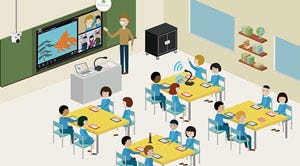
The question of introducing technology in the classroom has passed through different layers of debate. According to the research by Pew Research Center, almost 73 percent of Advanced Placement and National Writing Project teachers agree that in the classroom they use smart devices to provide the students with better education and these smart devices helps their students in completing their assignment. It is the proper time to deploy appropriate technology to facilitate the whole process of learning. U.S. Public schools attained D+ grade from The American Society of Civil Engineers. According to them, 53 percent of schools need better infrastructure to achieve ‘good’ status.
Digital transformation has to be implemented in schools. The previous passive learning structure has been broken. Digitalization ensures the direct engagement of students in their learning process. Digital classrooms will open up new windows of knowledge before the students and will encourage self-learning. Use of technological devices plays a vital role in achieving classroom equity. Technology in the classroom helps to build digital citizenship skill among the students and facilitates their journey to the bigger world of occupation. But, this transformation will not come in a day.
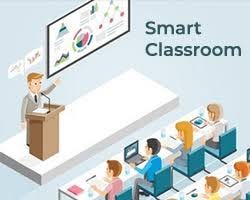
The K12 schools have to understand that the purpose of the digital class is to keep the students attracted and connected. This digitalization should focus on the creativity of the students. Cargo-bot is an application that obliges students to compose codes that enable a robot to carry boxes. This application directly addresses a student’s logic, problem-solving skill, and creativity. The schools need to provide an intriguing platform to the students. Harbor Beach (Mich.) Community Schools has gifted its students a library, which will enable them to have a modern learning experience. It provides strong Wi-Fi, HDTVs, and notebook computers. Futuristic schools have to ensure video conferencing and collaboration tools. Through video conferencing, the students will be able to share their thought with other students, and this sharing will help them to grow mentally. There should be a focus on the proper implementation of cloud-based services. The teachers will upload research papers or assignments, and every student will have access to it. Owensboro (Ky.) Public Schools have introduced a District of Innovation Tech Network Center which will help to make the students fit for the future.
2. Resources that Drive Organizations Toward Smart Classroom
Smartboards, digital textbooks, and voice assistants make for a significant part of resources that make a classroom smart.
Think of the developments from blackboards to whiteboards to projectors. In earlier times, any technological advancement would get staff and students excited about it. But now anything that an educator writes on the board can be seamlessly recorded without having to worry about not recalling an essential task like a test or an assignment.
Check This Out: Top Education Security Companies
Below are three resources that make a traditional classroom turn into a smart one.
Voice Assistants
With the rise in the use of voice assistants, there will be new innovative applications coming in for voice to complement the smart classroom experience. Currently, voice assistants are offering immense significance to everyday life while adding the same value to the classrooms as well. Educators can make use of the tools in real-time to set reminders, which can advance the schoolroom processes and assist learners in their instruction and build their knowledge base.
Smartboards
Connected whiteboards are a set of other tools that make a classroom smart. In the past, all the assignment topics, exam dates, and the schedule had to be taken down from the board, which sometimes the students would forget. With smartboards, the issue of noting down certain things is eliminated because the shared record will be available to everyone in the class. The method will lead to high collaboration rates among learners who can talk about the notes through digital management systems.
Digital Textbooks
Digital textbooks stand as a significant resource for the smart classroom. Along with being environmental-friendly and cost-effective, the compact nature of the textbooks makes it easy to carry and take up less space. Compared to conventional books, digital ones are interactive and can be effortlessly connected to the smart classroom.
Digital textbooks can help students in highlighting the information and working together on topics that are difficult to understand in digital books. At the same time, an individual pupil’s notes and workbook can connect to a schoolroom’s smartboard to be shared with the whole class, and learners can share notes through the textbooks. Moreover, most digital texts offer interactive practice and quiz material to supplement the classroom instruction that presents significant value to teachers and students equally.


Comments
Post a Comment